tracker
contact
portfolio

Welcome to the new FHoto!

©2010 Fredrik Härenstam

The full Tehran set can be seen here: 

Tehran – The End of the Road

©2010 Fredrik Härenstam

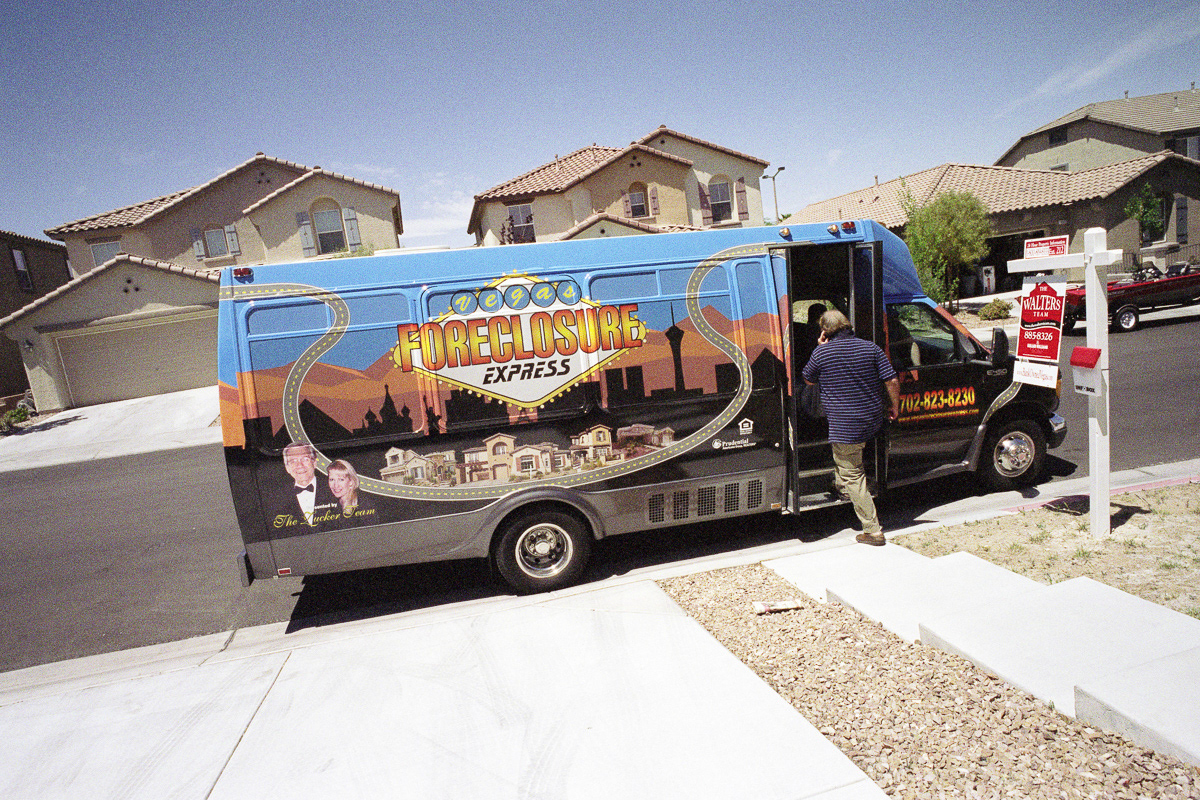
As a result of the credit crunch and with the highest foreclosure rates in the US, real estate agents in Las Vegas have taken to bus potential buyers around the city in a measure to cope with the large number of available properties.

©2010 Fredrik Härenstam

“We believe that the Vegas Foreclosure Express presents a win-win for the City of Las Vegas, the Homebuyers and the Lenders to get some of these properties off their books,” says Barbara Zucker from the Zucker Team who operate the Vegas Foreclosure Express.

©2010 Fredrik Härenstam

According to Zucker, “foreclosed home are priced anywhere from 25-35 percent below their normal listing prices. The Vegas Foreclosure Express is an easy and convenient means to American Dream of home ownership.”

©2010 Fredrik Härenstam

Despite of the state of the housing market, the Las Vegas region is still one of the fastest growing in the US. Vegas receives almost 40 million tourists a year.

©2010 Fredrik Härenstam

Strip club advertisements lie on the sidewalk of the famous Las Vegas Boulevard.

©2010 Fredrik Härenstam

Body-marks in the dust on the hood of a parked Ferrari, early morning.

©2010 Fredrik Härenstam

Also known as the Marriage Capital of the World, Vegas remains a popular wedding destination mainly because it’s relatively cheap and easy to arrange, but also for the many possibilities of how to hold the actual ceremony.

©2010 Fredrik Härenstam

A sign by the Las Vegas strip.

©2010 Fredrik Härenstam

The strip by night.

©2010 Fredrik Härenstam

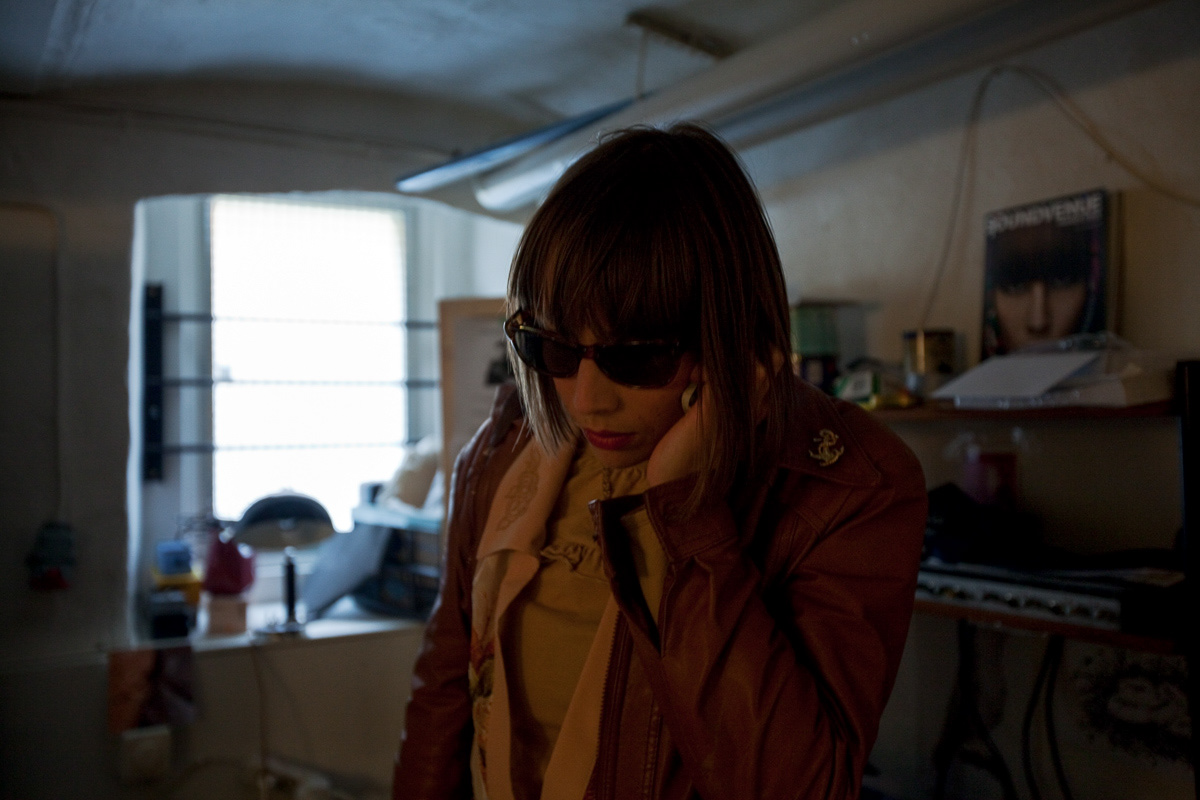
Set at what seems to be a political collision course with the west, Iran has found itself at a crossroad of sorts where most people inside and outside Iran feel uncertain over what the future holds for the republic.

©2010 Fredrik Härenstam

The central district was formerly the entertainment area of Tehran with streets lined with discos, restaurants and cafés. Following the revolution and the consequent nightlife regulations, venues where shut down and the area fell into neglect.

©2010 Fredrik Härenstam

Young Tehranis arm-wrestel for fun in one of the roof-top cafés in northern Tehran atop The White Tower, the oldest of the city’s high-rises. As the geographical centre of Tehran decay, the urban focus shifts north to the financial district and the northern suburbs, home to the wealthy and influential.

©2010 Fredrik Härenstam

Today, central Tehran mainly consists of numerous small car-repair shops to go with the heavily trafficked streets. The only remnant from before the revolution are several hotels, now turned relatively cheap and dirty.

©2010 Fredrik Härenstam

Tehran, often called “the mega-capital of Iran”, literally translates into “the end of the road”, from it historically being the furthermost outpost on the trade route. The city has endured a massive growth mostly through migration during the Iran-Iraq war in the eighties, in total nearly doubling the population since the revolution.

©2010 Fredrik Härenstam

During the war, Tehran was repeatedly bombed and much of the city’s old quarters were lost. Due to lack of funding and proper planning, the Tehran of today is a traffic-congested and heavily polluted capital, rebuilt with Soviet-style apartments. But being the capital, Tehran also attracts the youth of the nation due to its reputation as being slightly more liberal than other areas of the Republic.

©2010 Fredrik Härenstam

Following the Chinese example, many believe that the best way forward is through focusing on further economical development rather than altering the political system. Few are happy with the system as such, but there is no public desire for another revolution.

©2010 Fredrik Härenstam

Foreign earnings are almost entirely based on oil export revenues, a stumbling industry damaged by widespread inefficiency and corruption. During recent years, Iran has through national media advocated the development of nuclear energy as the sole key to further economical growth and prosperity.

©2010 Fredrik Härenstam

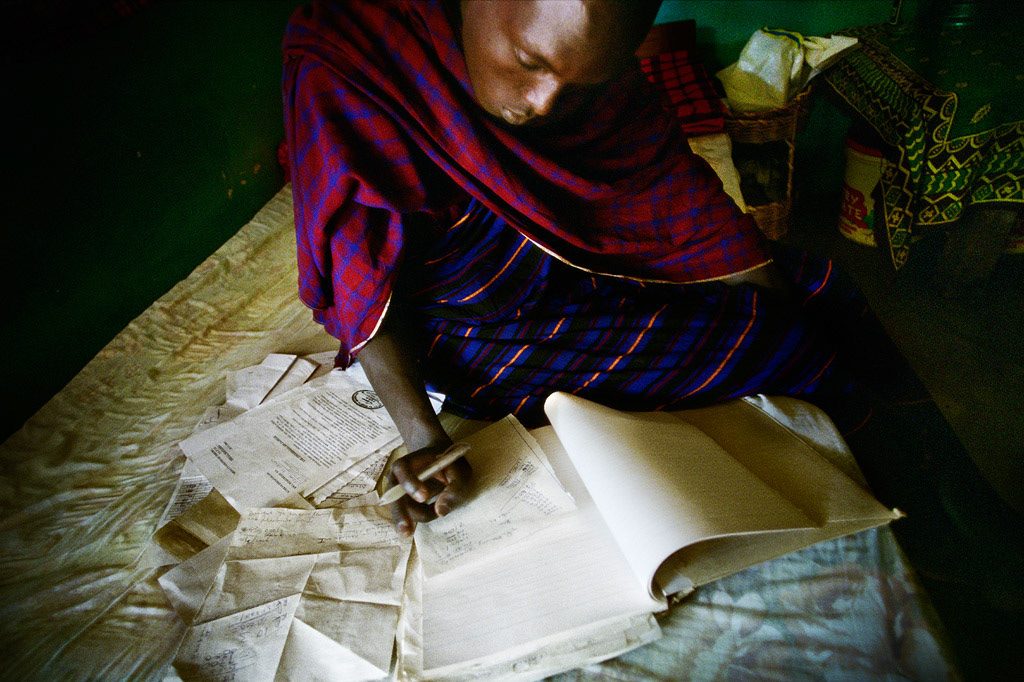
After a long day herding the cattle, one of the younger warriors sits down in a hut in Loiborsoit, Tanzania, to rest as supper is prepared on the fire.

©2010 Fredrik Härenstam

To avoid exploitation, among other things, a few years ago the government granted the Maasai ownership of the land upon which they currently lived. Only a decade ago, the Maasai where free to move around and settle where they pleased, but following the land reform, the Maasai settlements are no longer temporary and the intention is no longer to be on the move.

©2010 Fredrik Härenstam

Three Koriangai sit in a classroom at the local school, waiting for the catholic church’s choir practice to begin. Unfortunately, as most people live a fair distance from the actual village in settlements far apart from each other, no one else made it for practice this time.

©2010 Fredrik Härenstam

After a rainy night looking after the cattle at the temporary Rondo settlement, Matayo, one of the Koriangai warriors of Loiborsoit, makes a quick calculation of traveling expenses on his arm. He plans on heading to Mwanza in search for work at the Mwadui diamond mine.

©2010 Fredrik Härenstam

One of the warriors, Kisongoi, leads the cattle to the temporary settlement, Rondo, located half a days walk from the village in an area where there still is grazing for the cattle

©2010 Fredrik Härenstam

Kinaru (left) has just got hold of a new piece of 250cc motorbike tire and gets help turning them into the type of shoes that partly define the warriors’ dress-code. This particular tire is known to have the best grip and are the sturdiest to be found.

©2010 Fredrik Härenstam

Tobiko inspects their maize stock. As the rains still have not arrived, the outcome of the next harvest is unsure and there are already stories of how entire households have starved to death due to the short supply of maize.

©2010 Fredrik Härenstam

Young Maasai boy, warrior to be.

©2010 Fredrik Härenstam

Simel grew up in Arusha and works today as a driver’s assistant on one of the few cars trafficking the steppe. In spite of the strong communal Maasai identity and integrity, they few that grow up in the city are doomed to be regarded with different eyes. They are still Maasai, no doubt, but whenever something disappears in the village there is little question about who everyone suspects for theft.

©2010 Fredrik Härenstam

One of the Koriangai rests from the midday sun in a nearby hut while the others take turns cultivating some nearby fields. After the Maasai were allowed ownership of the land where they currently lived, they also began to farm on a larger scale then previously, maize being the major produce of choice.

©2010 Fredrik Härenstam

The sun rises over Rondo as the fog lifts after a rainy night. As Matayo prepares some beans for breakfast, the others chat cheerfully about the long awaited rain that have finally arrived.

©2010 Fredrik Härenstam

A boy rests in a hut on a bag of precious maize.

©2010 Fredrik Härenstam

Biking from one well to another. As the landscape is essentially flat and filled with a patchwork of paths, biking is one of the quicker ways to get around.

©2010 Fredrik Härenstam

Once in a while, one of the village generators is turned on to power this improvised hairdresser’s shop. The warriors should always wear as short hair as possible according to the strict warrior dress-code.

©2010 Fredrik Härenstam

The Maasai society revolves around the warriors. They perform the work, take care of the cattle and defend the settlements. Each new generation of warriors set their code of conduct and move, in theory, freely between the bomas, not having one of their own until a new generation of warriors grow up and take over.

©2010 Fredrik Härenstam

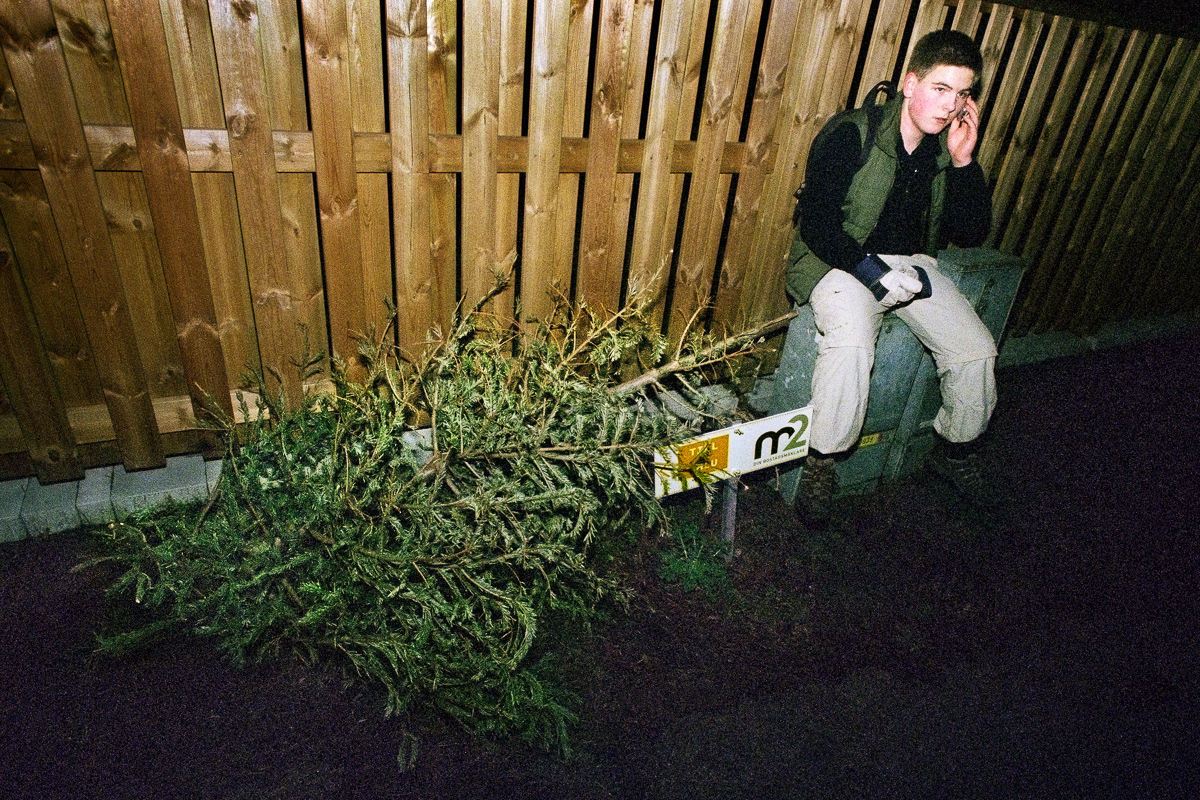
Every year after christmas, the youth of the islands of Gothenburg’s northen archipelago battle eachother for the used christmas trees. Kids and teenagers from different islands and areas gather, hide, and fight over the trees in attempt to build the highest and longest burning bonfire on Good Friday.

©2010 Fredrik Härenstam

To keep warm and help co-ordinate  actions, the biggest areas have special fire-sites where they can take a break from battling.

©2010 Fredrik Härenstam

Martin hides out with a tree while calling a friend with a moped to help bring it back and hide it on the neighbouring island.

©2010 Fredrik Härenstam

The ten inhabited islands, traditionally a fishing community, have historically enjoyed a greater isolation allowing the development of its own traditions and distinct dialect, sometimes carrying more of a resemblance to Norweigian than Swedish.

©2010 Fredrik Härenstam

A lonely swan swims through the harbour as the ferry connecting the main islands with the smaller ones slowly arrives in the background. Four of the major islands Hönö, Öckerö, Hälsö and Fotö are connected with bridges and are also the ones most active in the battles.

©2010 Fredrik Härenstam

As one of the fire-site fires runs out of fuel, someone fetches a small boat from the nearby harbour to keep it burning.

Not everyone participates in the battles, but as not much else happens on the islands in winter, the firesites are popular places to meet and party.

©2010 Fredrik Härenstam

Erik and Micke drives a tree between the islands.

©2010 Fredrik Härenstam

The islands are, like most small places, a closed community. Those who live there are usually the ones whose families have lived there for generations. Although many would agree the battles seem somewhat strange and rarely amount to anything good, those who live here have all once been part of it some way or another and would not want to rid the islands of it.

©2010 Fredrik Härenstam

HEA, short for Heden, one of the battling areas on the biggest island, Hönö, is spraypainted on a tree close to a fire-site.

©2010 Fredrik Härenstam

Martin and Manne, not old enough to drive a moped, carries a pair of trees between islands on foot.

©2010 Fredrik Härenstam

As Good Friday arrives, the different areas gather all their trees and begin building their bonfires to be lit at midnight the same day.

©2010 Fredrik Härenstam

The capital after 20 years of change. A family poses for a picture in front of a model of the Three Gorges Dam, the construction project that will provide the cities with power, but to the cost of destroying almost two million peoples’ homes. Tiananmen, Beijing.

©2010 Fredrik Härenstam

After the demonstrations in 1989 the country has undergone significant economical reforms but the party rule, which the demonstrations were held against, still remain.

©2010 Fredrik Härenstam

Deng Xiaoping’s dogma “To get rich is glorious” serves as an almost perferct description of modern China. Providing stability and opening up for the possible accumulation of capitalistic wealth, the state enjoys less political pressure from the people because simply, they are too busy getting rich.

©2010 Fredrik Härenstam

While China’s coastal cities have experienced enormous economic development, the majority of the country’s population still live in rural areas providing China with a massive workforce, though simultaneously shutting them out from the development’s yield.

©2010 Fredrik Härenstam

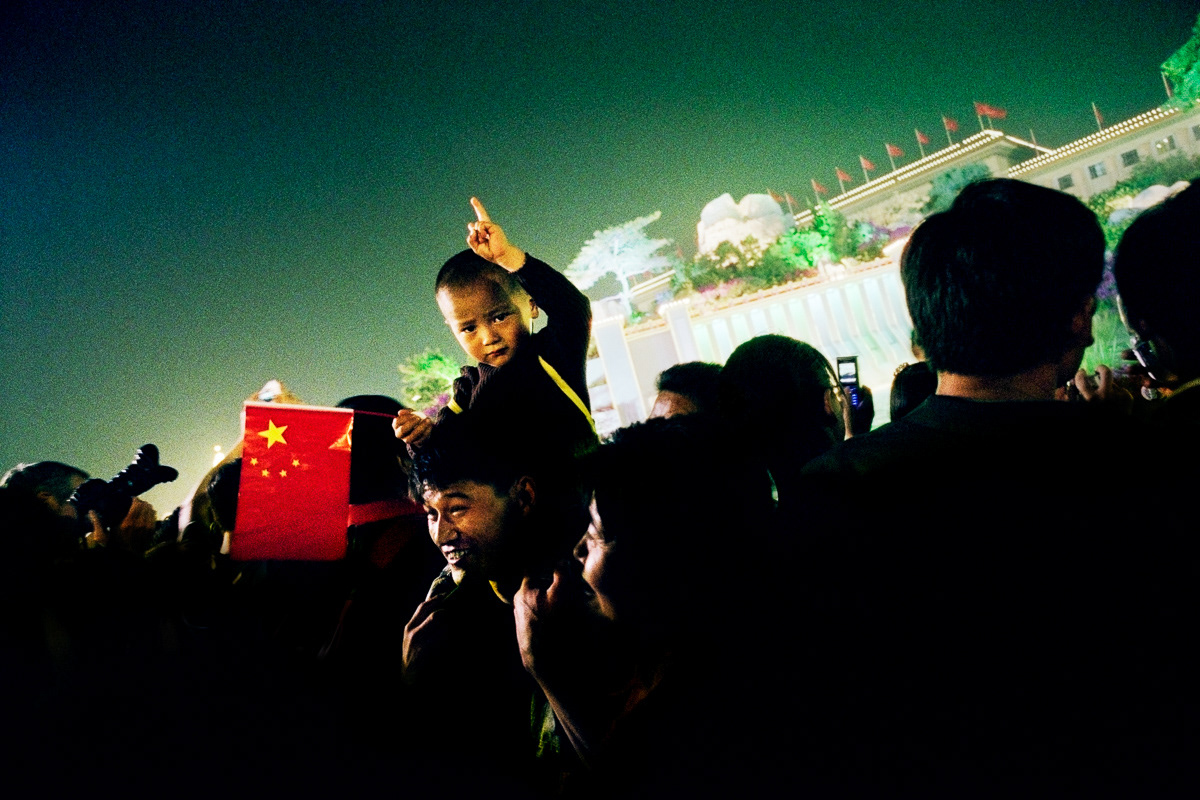
People flood the capital during the national day celebrations. Although political freedom might be restricted, people in general take great pride in China, its extraordinary change and political-economical strength it governs.

©2010 Fredrik Härenstam
<<
Photo Artsize - August 5, 2010

Maasai prints available!

Benin City, Nigeria - July 2, 2010

In Benin City, Nigeria, July-August and will be available for assignments.

Johannesburg, SA - November 30, 2009

In Johannesburg, South Africa from December to January and will be available for assignments.

Update - June 24, 2009

In Thailand until the end of July. Local phone: +66806596469

News - February 12, 2009

New issue of Noll. (#5)

Also, the ambitious Photobook About Sweden will be released on 26th of February!

email: fredrik@harenstam.se

phone: +46 709 22 47 00

Represented through
Invision Images
All content is the copyrighted material of Fredrik Härenstam and may not be used or reproduced in any way without explicit permission.